
The Sentence I Wouldn’t Say
Knowing it’s over isn’t the same as letting it be over

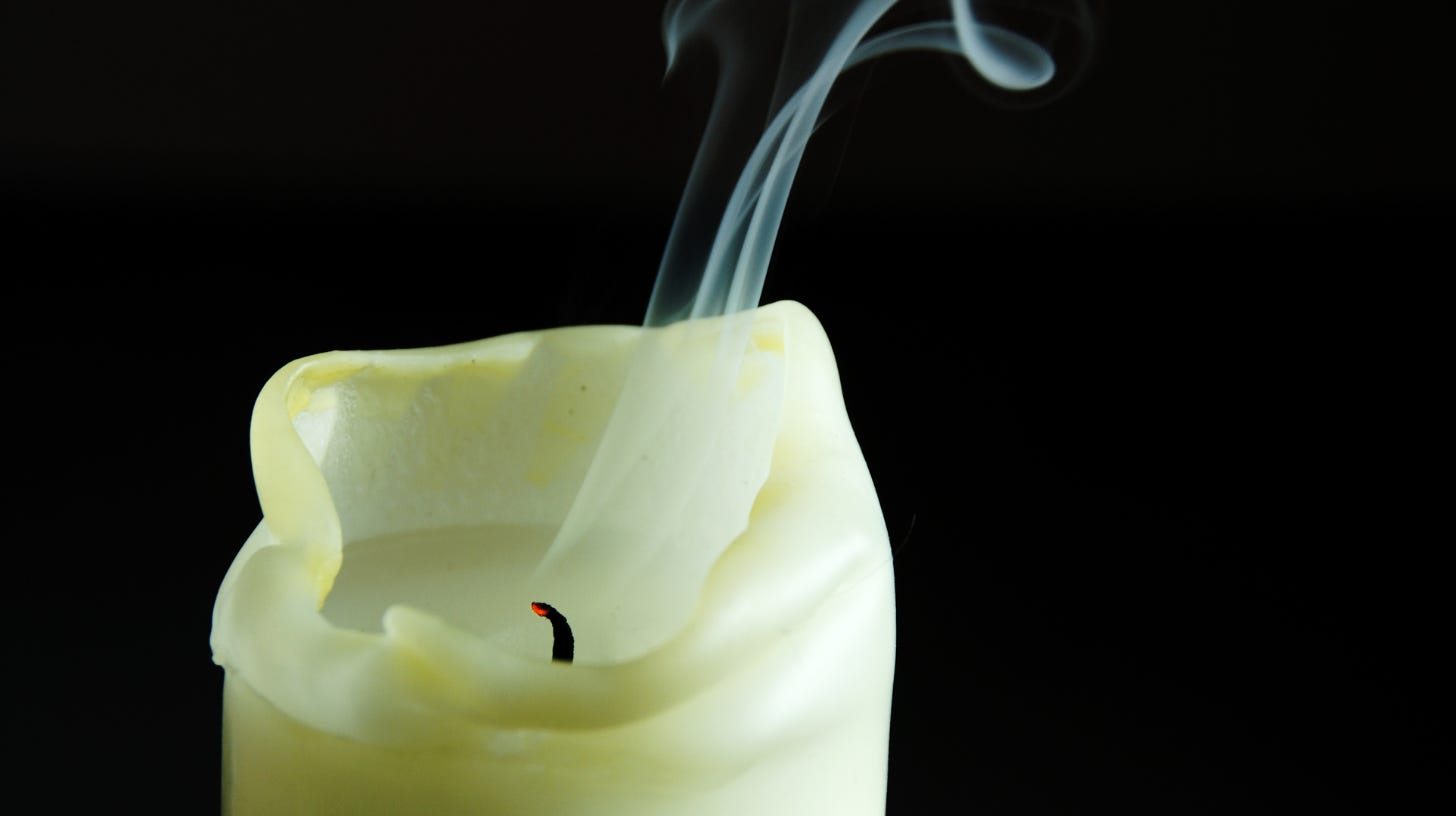
I knew, in the way you know a fact you’ve decided not to look at directly.
About something quieter, a version of my life I had been imagining in detail for years, one I had started to build toward, and then, when other things didn’t go the way I expected, quietly let go of. Not in one moment. In a series of small, practical decisions that didn’t feel like endings at the time. They felt reasonable. Necessary. Temporary.
I told people I was “figuring things out.” I told myself the same thing, actually, which is the more important part. Figuring things out is an ongoing process. It has no edges. It doesn’t require you to admit anything, because nothing has technically ended yet, you’re just in the middle of deciding.
I was not in the middle of deciding. I had decided. I just hadn’t said so.
There’s a sentence underneath almost every stalled ending, and it’s usually shorter and plainer than we expect. Not a paragraph of processing. Not a therapized explanation. Just a sentence. That’s over. That’s not happening. That version of me is done.
I didn’t say mine for almost two years.
Here’s what I’ve come to believe about why. We treat endings as something you’re only allowed to name once you’ve made peace with them. Grieved properly. Forgiven whoever needs forgiving, including yourself. Arrived at some quiet, dignified acceptance. And until you get there, saying it out loud feels premature, almost dishonest, like you’d be claiming a resolution you haven’t actually earned.
I think that’s backwards, and I think it costs people years.
Cultures that built real rituals around endings never waited for peace first. A name was given up. A belonging was burned or handed away. Something was marked, publicly, on a specific day, regardless of how the person felt about it in that moment. The ceremony didn’t wait for the feeling to arrive. The feeling, when it came at all, came after, because of the act, not before it.
You don’t have to feel resolved about something for it to be over. You only have to stop organizing your life around a reality that has already stopped being true. You can be furious. You can be devastated. You can be nowhere near peace, not even close. None of that changes whether it’s actually over.
What changes it is saying so.
I don’t mean writing it in a journal, though that’s a start. I mean an actual sentence, said out loud, once, to yourself if there’s no one else, with a date attached. Not a caption. Not a vague gesture toward moving on. A specific sentence about a specific thing that is now, as of today, over.
I remember the day I finally said mine. Nothing dramatic happened afterward. No fireworks, no sudden lightness. If anything it felt smaller than I expected, almost anticlimactic, which I think is exactly the point. The sentence isn’t the transformation. It’s the doorway. Everything that actually changes you happens after you walk through it, not in the saying itself.
But you can’t walk through a door you won’t admit is there.
If there’s a version of your life you’ve quietly stopped pursuing without ever calling it what it is, a relationship, a role, an old identity, a dream you downsized into something safer, this is worth sitting with: not whether you’ve made peace with it. Whether you’ve actually said, plainly, that it’s over.
You don’t need to feel ready. You only need to say the sentence.
The rest starts after.
— Heather
If this is where you are right now, I put together a short guide on exactly this, it’s linked in my bio.